Mexico City
Mexico City (Ciudad de México) is the vibrant capital of Mexico, spanning 16 municipalities and is home to over 9 million people – about seven percent of the country’s population. It sits at the heart of one of the largest metropolitan areas in North America. In 2024, it joined Breathe Cities, marking a new chapter in the city’s work to tackle air pollution and build a cleaner, healthier future for its residents.


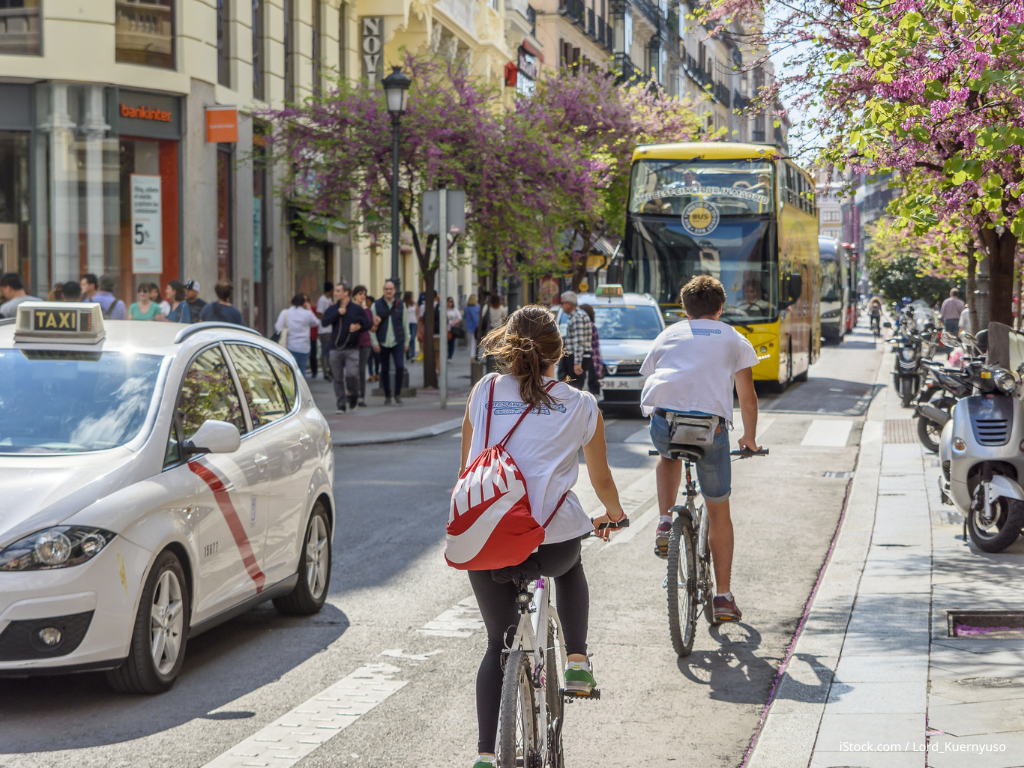
I am excited to learn and share best practices with others in the Breathe Cities cohort dedicated to the task of sustainable, equitable, and innovative urban spaces. As city leaders, it is our responsibility to ensure that cities live up to their purpose of creating better communities and better spaces. Mexico City is going through a great transformation of its public space. From investments in sustainable, non-motor mobility, like cycling, and community-focused city planning like our utopias, Mexico City’s 9 million inhabitants will benefit from more resilient and fair infrastructure.
Clara Brugada
Chief of Government of Mexico City

Air pollution in Mexico City
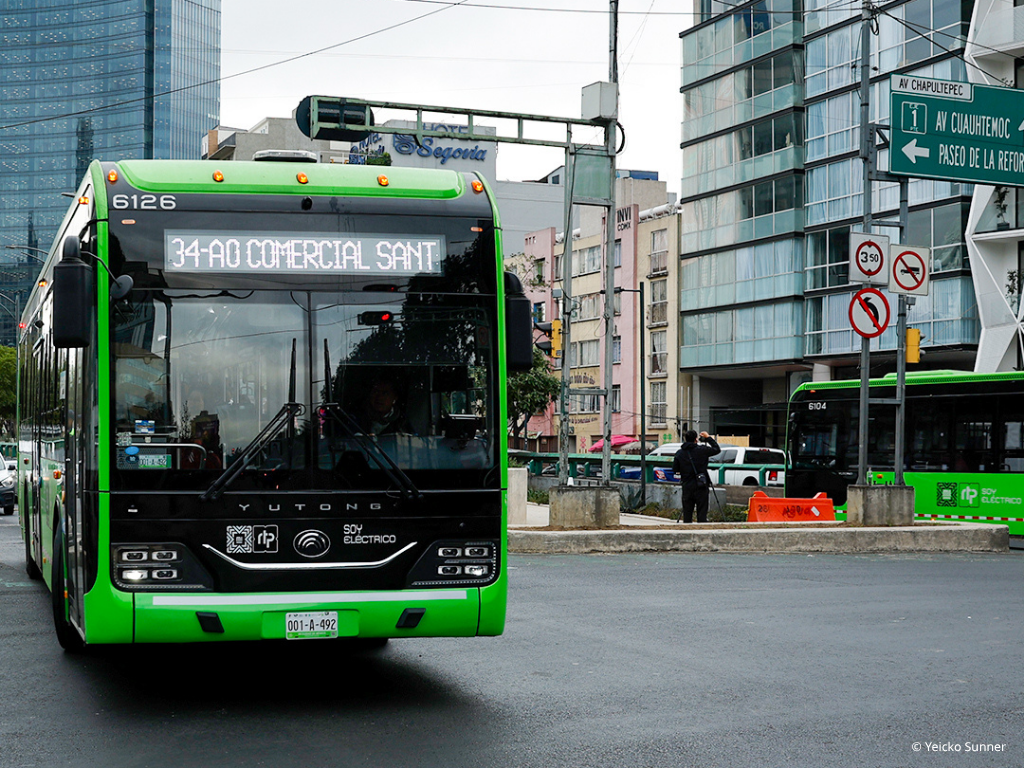
In 2023, the average level of harmful particles in Mexico City’s air was four times higher than the World Health Organisation recommends. Most of this pollution comes from heavy-duty vehicles, open burning, public transport and private cars.
Mexico City’s geography makes the problem worse. Sitting in a high-altitude valley, the city traps pollutants and prevents them from dispersing, creating long-lasting smog episodes. While the city has significantly improved air quality in recent years, many people are still regularly exposed to levels of air pollution that put their health at risk.
The costs of polluted air are significant. Each year, avoiding hospital admissions for respiratory conditions alone could save the city nearly Mex$2.9 million, with additional savings from reduced heart-related treatment. Cleaner air would not only ease pressure on the health system but also extend lives. Estimates suggest that improvements could deliver 855 years of life gained across the population, equal to an extra three days of life expectancy per resident.

What we're doing in Mexico City
Breathe Mexico City is strengthening the city’s air quality monitoring by supporting the generation of more and better data. We focus on two priority areas: cleaner energy and cleaner transport, which are delivered through better data, targeted technical support and active community engagement.
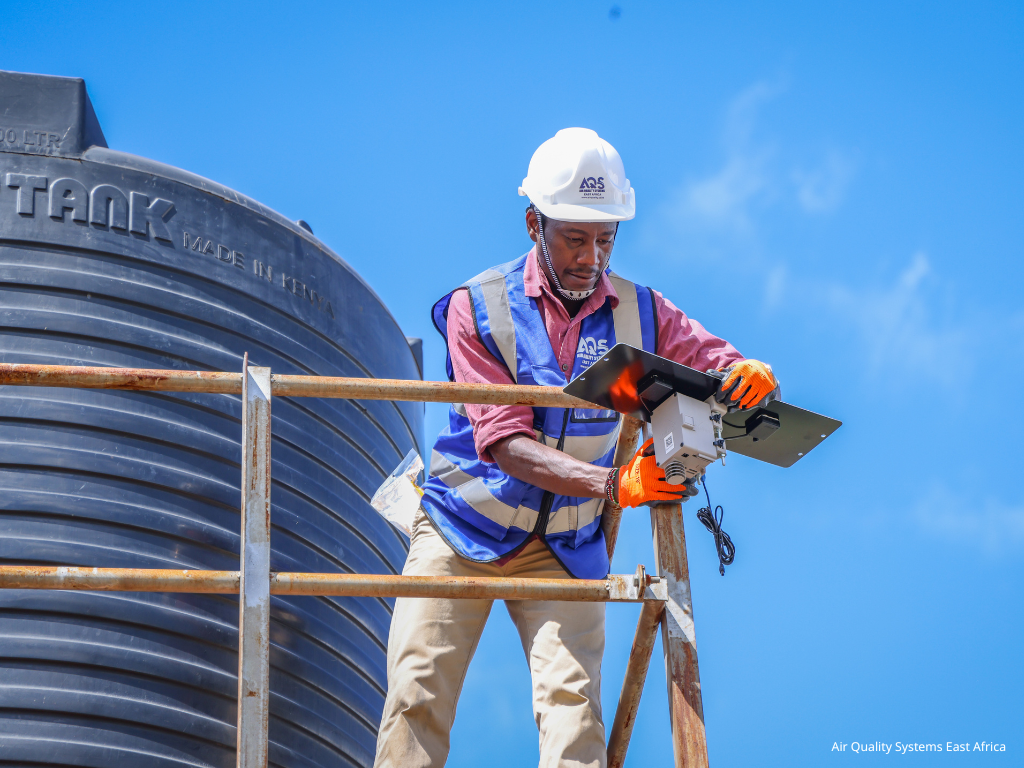
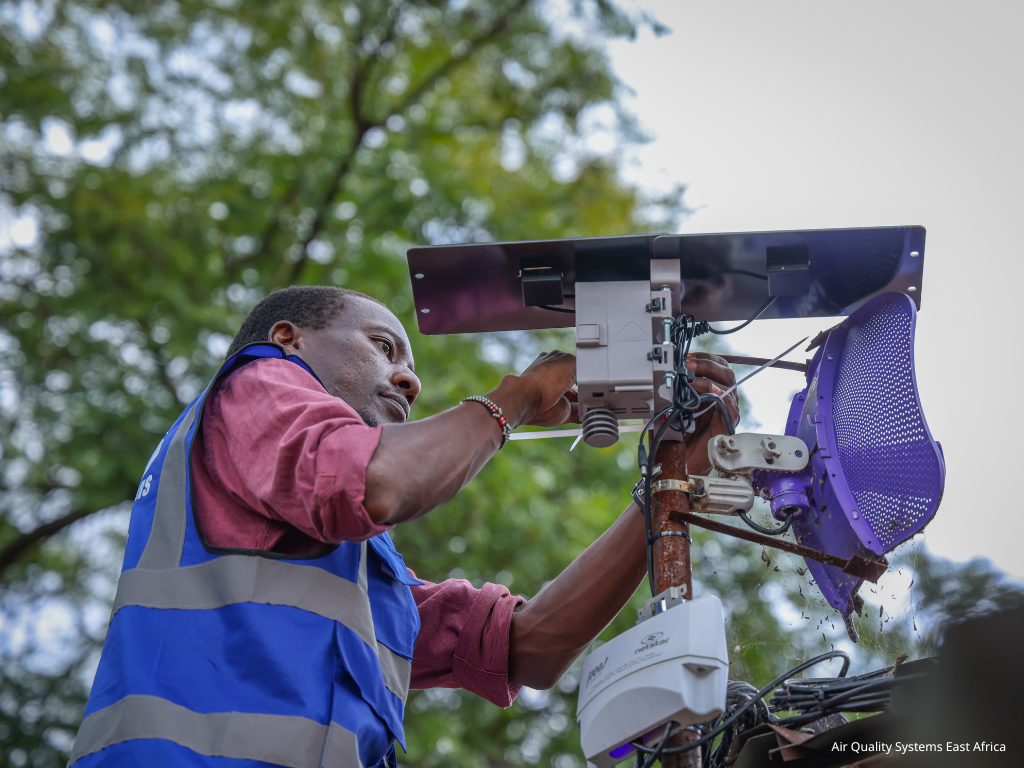
For the first time, Breathe Mexico City is supporting the deployment of a network of low-cost air quality sensors across the city. This hyperlocal, real-time data will provide AQ insights in urban intervention areas of Mexico City, and help identify pollution hotspots, establish baselines for future action, and guide targeted solutions. The programme is also providing technical policy assistance to build on and redesign the existing Mexico City taxi renovation programme, increasing its scope and ambition to accelerate the transition to electric taxis and reduce harmful emissions from one of the most widely used transport services. In addition, it is laying the groundwork for regulating diesel-powered emergency and mobile electricity generators by assessing their use and emissions, paving the way for new local regulations to address this often-overlooked source of pollution.
Community engagement is a core element of the work. In partnership with Iniciativa Climática de México, Breathe Mexico City is developing a comprehensive awareness campaign to raise public understanding of the health impacts of air pollution, increase knowledge about its main sources, and build coalitions among civil society organisations to strengthen participation in clean air decision-making.
In Mexico City, we work with a range of civil society organisations in our efforts to clean the city’s air, including SUR Institute, Centro Mario Molina, Clean Air Institute, and WRI Mexico.
Related Posts
-
 Press Release13/05/2026Mexico City
Mexico City Launches City’s First Low-Cost Air Sensor Network to Drive Targeted Clean Air Action as Part of Breathe Cities Initiative
Up to 15 low-cost sensors will be installed across community hubs to deliver hyperlocal air… -
 Press Release28/11/2025Nairobi
Nairobi City County Launches New Air Quality Action Plan and First-of-its-Kind Public Data Portal to Accelerate Action for Clean Air
County announces strategic roadmap supported by Breathe Cities to improve air quality and make air… -
 Press Release11/06/2025Nairobi
Nairobi Takes Action for Clean Air with First City-Owned Air Quality Monitoring Network
Nairobi launches its first city-owned air quality monitoring network—deploying 50 sensors delivering real-time data to… -
 Press Release23/06/2026Global
Bloomberg Philanthropies Commits $45 Million to Expand Clean Air Efforts as Breathe Cities Delivers Tangible Wins
New support builds on early successes in 14 cities where mayors have deployed nearly 1,200…