20 April 2026
Blog Global

What Are Effective Solutions to Reduce Air Pollution in Cities?

Air pollution is one of the biggest threats to urban health, climate stability and economic growth, but cities have the power to change this. Evidence from Breathe Cities shows that coordinated action across transport, energy, buildings, waste and data can significantly reduce pollution levels. Cities around the world are already demonstrating how practical, people-focused solutions can deliver cleaner air and healthier urban environments.

People don’t have to live with toxic air. Air pollution is one of the biggest threats to urban health and economic growth, but new research from Breathe Cities shows that cities can cut toxic air pollution by 20–45% within 15 years when they take deliberate, coordinated action sustained over time. 

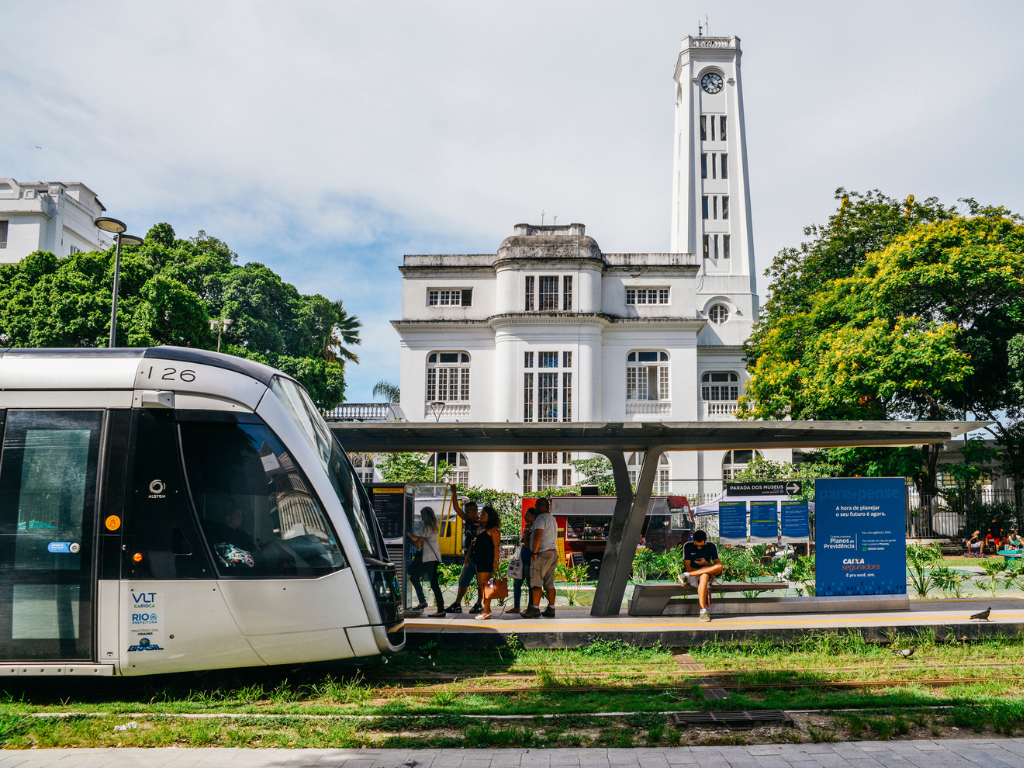
The most effective solutions combine strong air‑quality data, ambitious action across areas like transport, energy, clean construction and waste, and meaningful community engagement. Our Breathe Cities are already putting this into practice from London to Paris, Warsaw, Nairobi, Johannesburg and Rio de Janeiro.

Why are cities central to reducing air pollution?

Cities are responsible for roughly 70% of global energy‑related carbon dioxide emissions and are home to over half the world’s population, making them hotspots for both air pollution and climate impacts, but also uniquely positioned to drive rapid improvements in air quality. At the same time, most major sources of urban air pollution are human‑made, from transport and power generation to industry, buildings, waste burning and household fuels. 

This means they can be addressed through targeted, city‑level policies. Breathe Cities was created to support cities to take ambitious clean air action, aiming to reduce air pollution while delivering significant health and economic benefits.

What are cities doing to reduce air pollution?

Cities around the world are taking practical, people-focused steps to tackle air pollution at its source. From transforming transport systems to engaging communities and improving data, these actions are helping create healthier, more liveable urban environments.

Highlights

Cities can rapidly reduce air pollution by up to 45% when they take coordinated action across transport, energy, waste, data and community engagement.
Effective clean air strategies tackle pollution at its source through practical, people-focused solutions that improve everyday urban life.
Cleaner air is achievable at scale, delivering major health, climate and economic benefits when cities act consistently over time.

Share

Improving transportation

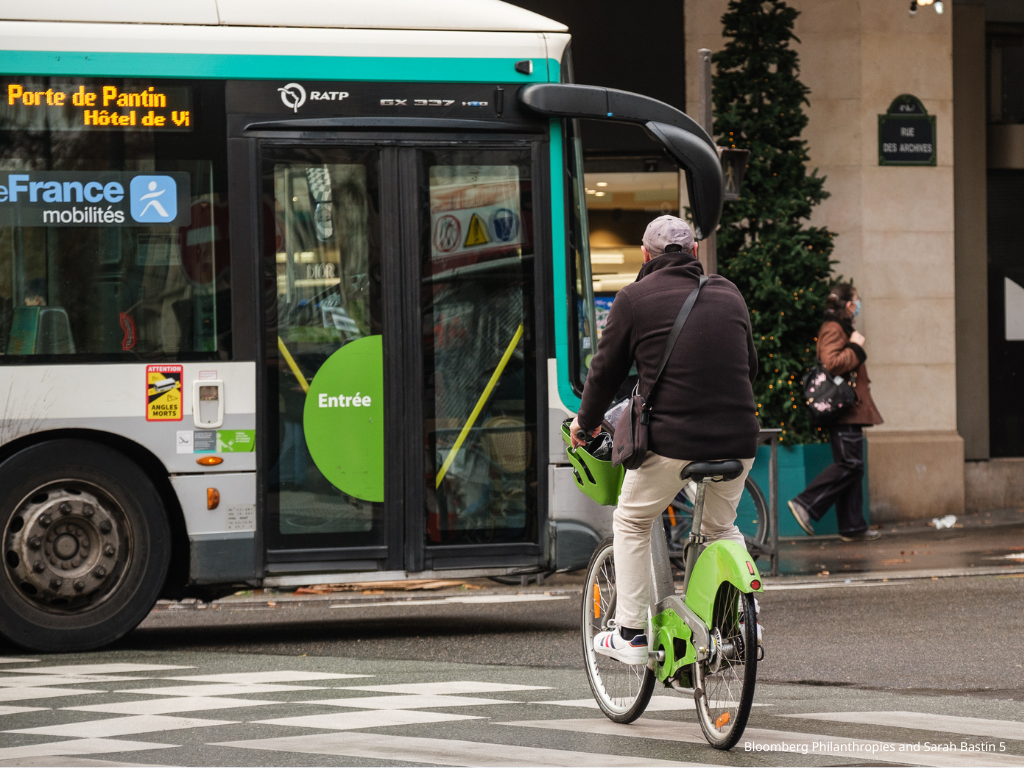
Road transport is one of the largest sources of harmful urban pollutants such as PM2.5 and NO₂, including emissions from exhaust, tyres and brakes. Cars often account for a minority of trips but a majority of traffic‑related emissions, particularly on busy roads. Many of the Breathe Cities have implemented pedestrian zones, school streets, cycle lanes and clean electric transport, integrating clean air action into everyday urban life and helping to create cleaner, greener neighbourhoods.

• Bogotá has the largest network of cycle paths in Latin America (over 667 km) and one of the largest electric bus fleets in the region, with over 1,400 e-buses.
• Between 2017 and 2021, Jakarta doubled its public transport coverage, with the city aiming to electrify its entire bus fleet by 2030.

Cleaning up buildings, heating and energy

In many cities, especially in colder climates, burning coal, wood or other solid fuels for household heating is a major source of toxic particles in the air. Inefficient buildings and fossil‑fuel‑based power also drive both air pollution and climate emissions.

• Sofia’s Low-Emission Zone for domestic heating is tackling fossil fuel heating, which contributes 56% of the city’s pollution and 80% of harmful particles in the air during winter.
• Warsaw banned coal heating in 2023 and rolled out the first ever Clean Air Zone in Eastern Europe in 2024, which could halve the levels of air pollution from vehicles this decade.

Clean construction, waste and industry

Construction sites, industrial facilities and open waste burning can be major sources of dust, toxic smoke and fumes, especially in rapidly growing cities. It is clear that reducing emissions from construction machinery brings benefits beyond air quality, including reduced noise for local businesses and residents. This, with effective compliance and early collaboration can reduce overall pollution emissions.

• London is reducing emissions from construction with cleaner technologies like electric and hydrogen-powered machinery and mobile charging technology, and fosters collaboration between academia and government.

Strengthening air quality data and systems

Data underpins every successful clean‑air strategy. Without it, city leaders cannot identify pollution hotspots, understand key sources or measure whether policies are working.

• Nairobi is leading on clean air in East Africa through the first-ever city-owned network of 50 sensors, and strong public outreach. Breathe Nairobi is giving local authorities the tools to enforce standards and target pollution hotspots.

Engaging communities, youth and the health sector

Air pollution does not affect everyone equally. Sometimes, even well-intentioned solutions may fall short if they do not reflect the lived realities of communities across a city. Clean‑air solutions are most effective when they are shaped and championed by those communities.

• Johannesburg is building Africa’s next generation of clean air leadership, with young people and grassroots groups helping shape solutions alongside policymakers.

Making urban spaces more accessible and safe

By redesigning streetscapes with wider pavements, safer crossings, green buffers and traffic‑calming measures, cities can create everyday routes and happier, healthier environments where people can meet, and children can walk, cycle and play with cleaner air and greater independence.

• Brussels is showing how cleaner air can start right outside the school gate. Through an expanding network of 'school streets', stronger monitoring and community engagement, the city is transforming everyday spaces into safer, healthier environments for families by using practical, people-first measures that build public support for long-term change.

Placing health at the heart of clean air

Air pollution is the second leading risk factor for early death, surpassed only by high blood pressure. Thus, air pollution is a public health matter as much as an environmental one, driving higher rates of asthma, heart disease and premature death, especially among the most vulnerable. When health data and medical expertise guide clean‑air plans, cities can prioritise actions that protect those at greatest risk, reduce pressure on health services and make the benefits of cleaner air visible in people’s daily lives.

• Bangkok is placing health at the centre of clean air action. From improving electric bus services and reducing traffic to researching how pollution affects children and the elderly, the city is using evidence and community monitoring to guide smarter decisions.

Evidence that clean‑air solutions work

Breathe Cities’ new research, Breathe Better: How leading cities have rapidly cut air pollution, analysed air‑quality trends in nearly 100 global cities between 2010 and 2024. It identified 19 cities that reduced both fine particulate matter (PM2.5) and nitrogen dioxide (NO₂) by at least 20%, with some achieving reductions of around 45%, proving that rapid, sustained improvements in air quality are achievable.

The evidence is clear: when cities act, air pollution falls. The solutions already exist. The next step is scaling them. Breathe Cities will continue supporting cities worldwide to make clean air normal, not a luxury.