Warsaw
Sitting on the banks of the Vistula River, Warsaw, the capital of Poland, is home to nearly 1.8 million people. In 2022, the city launched Breathe Warsaw, a pilot programme with Bloomberg Philanthropies and the Clean Air Fund that focused on improving air quality. The lessons learned helped shape the global Breathe Cities initiative, which Warsaw joined in 2023 as one of its first members.


Together, as stewards of our environment, we will combat air pollution, strive for safer air to breathe and ensure a better tomorrow for our cities. With the help of the Breathe Cities initiative, we’re able to use data and new technologies to better understand the ominous problem that is air pollution. In Warsaw, our city’s heartbeat echoes with the resilience to protect and preserve the quality of our climate and environment, and we will work tirelessly to build technical capacity to make our clean air future a reality.
Rafal Trzaskowski
Mayor of Warsaw

Air pollution in Warsaw
In 2023, the level of harmful fine particles (PM2.5) in Warsaw’s air was three times higher than the limit recommended by health experts at the WHO. Most of this man-made pollution comes from residential heating (72%), transport (24%) and industry (5%).
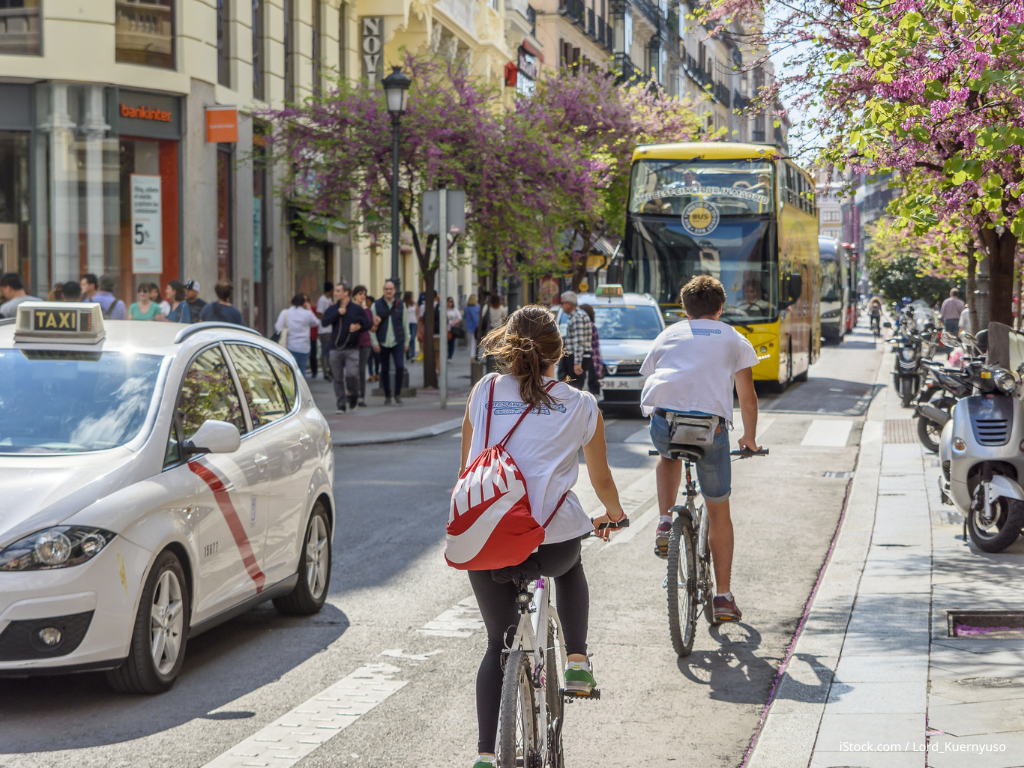
Transport-related emissions are particularly challenging. Warsaw has a high rate of car ownership, with almost 860 vehicles per 1,000 residents, leading to high levels of nitrogen oxide and harmful particle pollution in densely populated areas. Residents living in older homes also face greater exposure due to reliance on coal and wood heating during the winter months.
These pollutants together create significant health and economic pressures. Poor air quality increases medical costs, reduces productivity, and limits quality of life. In 2018, the social cost per person in Warsaw linked to air pollution was estimated at €2,433.
In recent years, Warsaw has made major strides in tackling toxic air. Levels of harmful particles fell by a near world-leading 46% between 2010 and 2024, while nitrogen dioxide emissions reduced by 20%. The city more than doubled its cycling network between 2010 and 2022 and invested heavily in public transport, with a new tram line, metro line and electric buses. Warsaw has also reduced the number of coal and wood boilers by 92% since 2017.

What we're doing in Warsaw
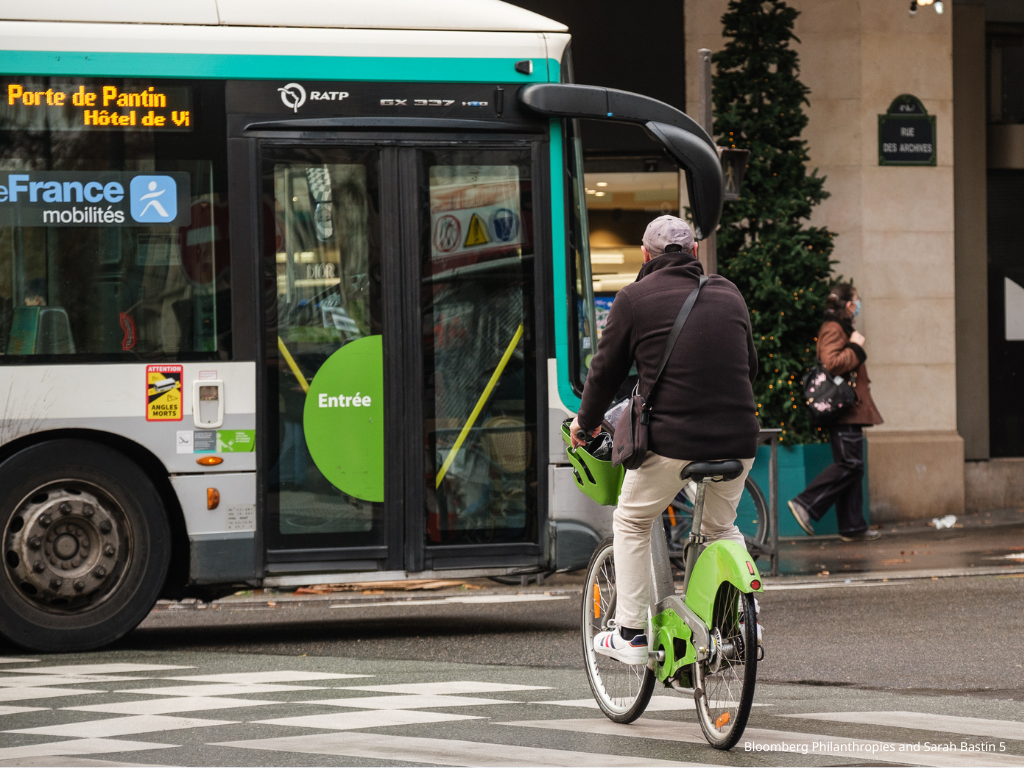
Breathe Warsaw is working with the city to clean its air, focusing on the two biggest sources of harmful emissions: heating and transport. The initiative is supporting Warsaw’s efforts to phase out coal from residential heating and measure the impact of its Clean Transport Zone, the first of its kind in the region, which launched in July 2024 and will introduce stricter vehicle requirements and expand who the rules apply to by 2030.
Warsaw has a robust monitoring network with air quality sensors now in place across 134 locations. The data is being used to build an open air quality portal, helping officials and researchers understand pollution sources, assess the impact of the Clean Transport Zone, and design other powerful solutions. Work is also underway to boost the energy efficiency of buildings, making the transition to clean heating more effective and ensuring it benefits those who need it most.
To engage local residents, Breathe Cities has supported awareness campaigns, including billboards and social media, which have reached almost half a million people, showing how cleaner air can benefit their health and daily life. Engagement also extends to schools, where teachers and Generation Z students developed ideas for sustainable transport solutions and campaigns to reach their peers, and to residents, through a series of public forums that help to surface public concerns, misunderstandings, and emotional reactions to new policies and can reduce polarisation and counter misinformation.
In Warsaw, we work with a range of local partners and community groups in our efforts to clean the city’s air, including Clean Cities Campaign Poland, New Community Foundation, On-site Foundation/Fundacja Na Miejscu, The International Council on Clean Transportation’s Real Urban Emissions Initiative and Profeina and Smog Lab.
Related Posts
-
 Press Release04/11/2025Global
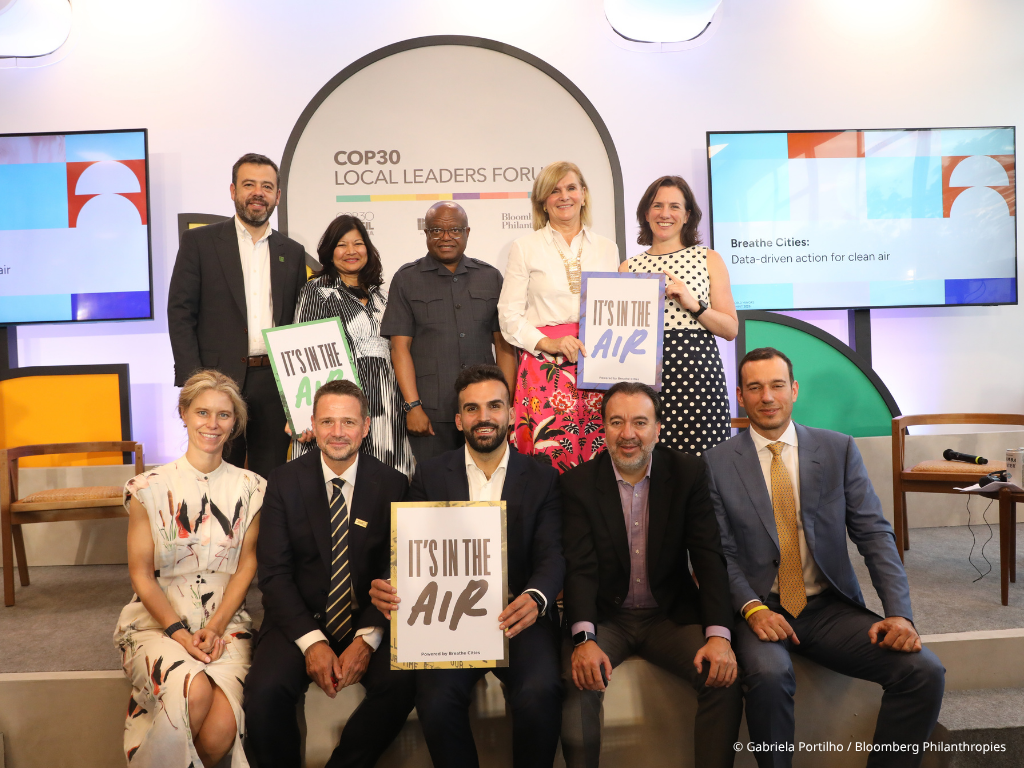
Breathe Cities Mayors Unite On Air Quality Action at COP30 Local Leaders Forum
COP30 Local Leaders Forum gives mayors from around the world the chance to share solutions… -
 Press Release23/06/2026Global
Bloomberg Philanthropies Commits $45 Million to Expand Clean Air Efforts as Breathe Cities Delivers Tangible Wins
New support builds on early successes in 14 cities where mayors have deployed nearly 1,200… -
 Press Release04/02/2026Global
Breathe Cities Announces Cecilia Vaca Jones as New Executive Director
Former Ecuador Social Development Minister to lead global initiative supporting cities to clean our air.… -
 Press Release11/03/2026Global
New Breathe Cities Research Shows Cities Leading on Air Quality Action Cut Air Pollution by Over 20%
New report, "Breathe better: How leading cities have rapidly cut air pollution", shows that cities…